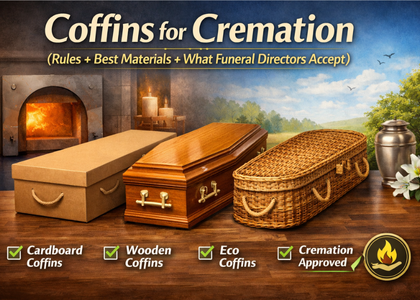
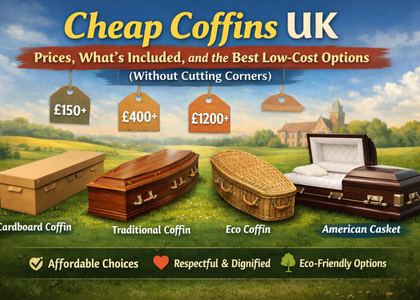
Cardboard Coffins are the best material to make coffins from ?
 steve
steve Cardboard is considered one of the best materials for making coffins in specific contexts due to a combination of environmental, economic, and practical reasons. Here’s a breakdown of why:
🌍 1. Environmentally Friendly
- Biodegradable: Cardboard breaks down quickly in the soil, making it ideal for natural or green burials.
- Low Carbon Footprint: Producing cardboard coffins generates fewer emissions than traditional hardwood or metal ones.
- Recyclable or Recycled: Many are made from recycled materials, and they are often recyclable themselves.
💰 2. Cost-Effective
- Much Cheaper: Cardboard coffins can cost a fraction of what traditional coffins do, making them a good option for families on a budget.
- Low Manufacturing Costs: Easier and cheaper to produce in bulk.
⚙️ 3. Practical Benefits
- Lightweight: Easier to transport and handle compared to wood or metal.
- Customizable: Can be printed on, decorated, or personalized with artwork or messages.
- Strong Enough: Properly constructed cardboard coffins can support the weight of a body (often up to 23–25 stone / 320–350 lbs).
🔥 4. Ideal for Cremation
- Burns Cleanly: Cardboard coffins incinerate more efficiently than wooden or metal ones, reducing the energy needed for cremation.
⚰️ When It’s Best Used
Cardboard coffins are best suited for:
- Green or eco burials
- Direct cremations
- Budget-conscious funerals
- Personalized or creative farewells
⚠️ Limitations
- Not waterproof: Must be kept dry.
- Perceived as “cheap”: Some may see it as lacking dignity, though that’s changing.
- Not ideal for long-term display: More delicate than hardwood options.
Conclusion:
Cardboard coffins are “the best” material in terms of sustainability, affordability, and functionality for many modern funeral needs, especially where simplicity or eco-friendliness is valued over tradition or luxury.
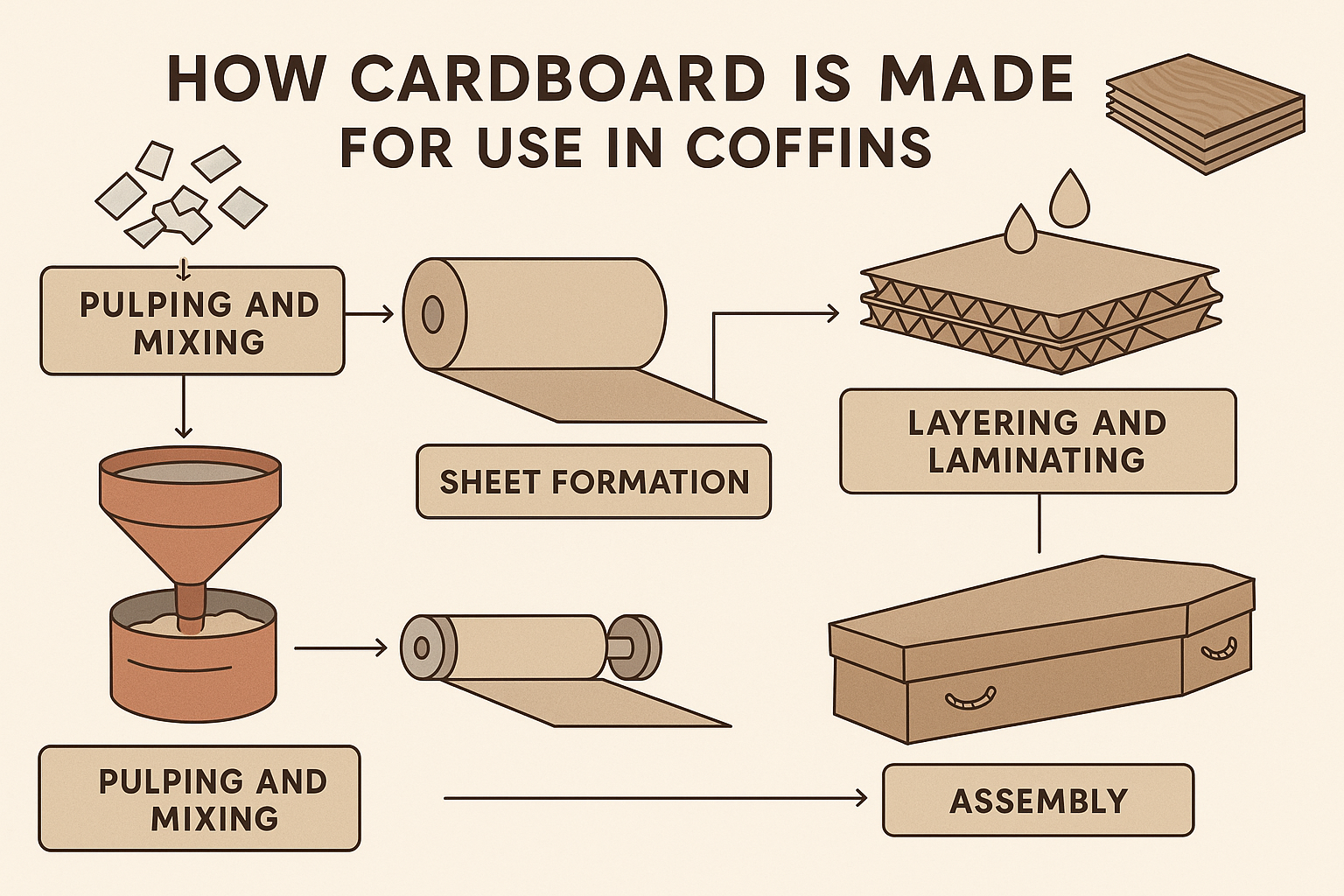
The cardboard used for coffins is specially engineered to be strong, durable, and eco-friendly, very different from everyday packaging cardboard. Here’s how it’s typically made:
How is the cardboard made for use in coffins?
🧱 1. Material Composition
Cardboard coffins are usually made from:
- Recycled paper and cardboard pulp: Sourced from post-consumer waste like newspapers, cartons, or office paper.
- Virgin fibers (in some cases): Added for extra strength if needed.
- Water-based, biodegradable adhesives: Used to bond the layers.
🏗️ 2. Manufacturing Process
🔄 a. Pulping and Mixing
- Waste paper is shredded and mixed with water to create a pulp.
- Unwanted materials like plastics or metals are filtered out.
- The pulp is cleaned, sometimes bleached (if whiteboard is needed), and thickened.
🧱 b. Sheet Formation
- The pulp is spread into sheets and pressed.
- It’s dried and sometimes corrugated to add strength.
- Most coffins use solid board or heavy-duty corrugated cardboard, often up to 6–12 mm thick (much thicker than normal packaging).
🪢 c. Layering and Laminating
- Multiple layers are glued together in alternating directions (like plywood) to form a strong, rigid board.
- This layering increases load-bearing capacity, ensuring the coffin can safely support a body.
🎨 d. Coating and Finishing
- Some boards are laminated with decorative finishes, like wood-grain prints or plain colors.
- Others are left blank for personalization (writing, painting, etc.).
- A non-toxic, biodegradable coating may be applied for water resistance (to a limited degree).
🧰 3. Assembly
- The coffin is cut and assembled using folding or slotting techniques (like a strong box).
- Reinforcements like honeycomb inserts, hidden wooden stiffeners, or extra board layers may be added to meet strength requirements.
- Handles (if included) are typically made from cardboard, rope, or recycled materials.
🧪 4. Testing
- Reputable manufacturers test their coffins to ensure they meet weight and strength requirements (e.g., up to 350 lbs / 160 kg).
- Tests may include drop tests, crush tests, and weight-load tests.
♻️ Summary: Why This Matters
The way cardboard is made for coffins balances:
- Strength (through layering and design),
- Sustainability (recycled inputs and biodegradable glue),
- Cost-effectiveness, and
- Aesthetics (decorative options or personalization).
Here’s a comprehensive comparison of common materials used to make coffins, based on key factors such as cost, sustainability, strength, appearance, and suitability for burial or cremation:
⚰️ Coffin Material Comparison Table
| Material | Cost | Sustainability | Strength | Appearance | Cremation | Burial | Other Notes |
|---|---|---|---|---|---|---|---|
| Cardboard | 💲 Very low | ♻️ Excellent | ⚖️ Moderate | Customizable, minimalistic | ✅ Excellent | ✅ Ideal for green | Lightweight, biodegradable, fast to produce |
| Softwood (e.g., pine) | 💲💲 Moderate | ♻️ Good | ⚖️ Good | Traditional, natural | ✅ Good | ✅ Suitable | Affordable wooden option, often used in natural burials |
| Hardwood (oak, mahogany) | 💲💲💲 Expensive | ♻️ Fair (slow to regrow) | ⚖️ Excellent | Luxurious, polished | ⚠️ Less efficient | ✅ Premium choice | Heavy and prestigious, but less eco-friendly |
| MDF / Chipboard with veneer | 💲 Low to moderate | ♻️ Poor (glues/chemicals) | ⚖️ Good | Looks like hardwood | ⚠️ May emit toxins | ✅ Common | Economical substitute, may emit formaldehyde when cremated |
| Metal (steel, bronze) | 💲💲💲 Very high | ❌ Very poor | ⚖️ Excellent | Durable, sleek, heavy-duty | ❌ Not suitable | ✅ Long-lasting | Not biodegradable; often sealed airtight, not accepted in green cemeteries |
| Willow / Wicker | 💲💲 Moderate | ♻️ Excellent | ⚖️ Moderate | Natural, artisanal | ✅ Good | ✅ Ideal for green | Handcrafted; popular for eco-conscious funerals |
| Bamboo | 💲💲 Moderate | ♻️ Excellent | ⚖️ Moderate-strong | Light, natural | ✅ Good | ✅ Excellent | Fast-growing renewable material |
| Banana Leaf / Seagrass | 💲💲 Moderate | ♻️ Excellent | ⚖️ Moderate | Soft, organic feel | ✅ Good | ✅ Green burials | Used in natural/coastal settings; handmade feel |
| Fiberglass / Resin | 💲💲💲 Expensive | ❌ Poor (synthetic) | ⚖️ Excellent | Smooth, customizable | ⚠️ May release fumes | ✅ Durable | Highly durable, sometimes used for display or unconventional funerals |
📝 Key Insights:
- Most Sustainable: Cardboard, Willow, Bamboo, Banana Leaf.
- Most Affordable: Cardboard and Softwood.
- Most Luxurious: Hardwood and Metal.
- Best for Green Burials: Cardboard, Willow, Bamboo, Softwood.
- Best for Cremation: Cardboard, Softwood, Willow (avoid MDF or metal).