Coffin Sizes and Dimensions: A Simple Guide to Choosing the Right Coffin

 runppcseo
 Choosing a coffin is not something most people have to think about often, so it is completely understandable if the details feel unfamiliar.
One of the most common questions people have is around coffin sizes and dimensions. How big is a standard coffin? Are all coffins the same size? What measurements matter? And how do different coffin shapes affect the final choice?
This guide explains coffin dimensions in a simple and respectful way, helping you understand what to look for before choosing the right coffin.
Why Coffin Dimensions Matter
Coffin dimensions matter because the coffin needs to be suitable for the person, the funeral arrangements and the chosen burial or cremation setting.
The right size helps ensure everything is handled properly and respectfully. It may also affect the type of coffin available, the materials used, the overall cost and whether certain design options are suitable.
In most cases, a funeral director will help confirm the required coffin size. However, understanding the basics can make the process feel clearer and less overwhelming.
What Are the Standard Dimensions of a Coffin?
There is no single coffin size that applies to every person, but many adult coffins are made around common standard measurements.
A typical adult coffin may be around:
- 6 feet 6 inches long
- 22 to 24 inches wide at the shoulders
- 12 to 14 inches deep
These are general measurements only. Coffins can be made larger, smaller, wider or deeper depending on the individual requirements.
The exact dimensions will depend on the person’s height, build and the coffin style selected. Some coffins are tapered, while others are rectangular. This means the internal and external measurements can vary depending on the shape.
How Are Coffins Measured?
Coffins are usually measured by length, width and depth.
The most important measurements are:
- Internal length
- Internal width
- Internal depth
- External length
- External width
- External depth
Internal measurements refer to the usable space inside the coffin. External measurements refer to the outside of the coffin, including the structure, handles and any decorative features.
Both measurements can matter. Internal measurements help confirm suitability for the person, while external measurements may be relevant for transport, cremation, burial plots or storage.
Coffin Length
Coffin length is one of the first measurements considered.
The coffin needs to be long enough to provide suitable internal space. A standard adult coffin is often designed for someone of average adult height, but longer coffins are available where required.
If someone is taller than average, a longer coffin may be needed. Funeral professionals will usually take care of this measurement and advise on the most suitable option.
Coffin Width
Coffin width is usually measured at the widest point.
For traditional coffin shapes, this is often around the shoulder area. For rectangular caskets, the width may be more consistent from top to bottom.
Width can vary depending on the person’s build and the coffin style. Some coffin materials and designs may also have different sizing options available.
Coffin Depth
Coffin depth refers to the internal height of the coffin.
This measurement is important because the coffin must provide enough space internally. The required depth can vary depending on individual circumstances and the coffin style.
Different coffin types, such as traditional wooden coffins, cardboard coffins, wicker coffins or caskets, may have slightly different depth options.
Coffin Shape and Measurements
Coffin shape can affect the way dimensions are understood.
Traditional coffins are usually wider at the shoulders and narrower towards the head and foot. This tapered shape is what many people think of as a classic coffin design.
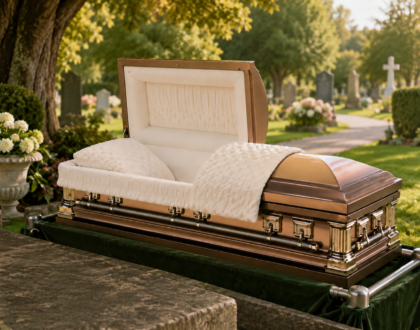
Caskets are usually more rectangular. This means they tend to have straighter sides and a more uniform width from top to bottom.
Because of these differences, two coffins may have similar external dimensions but feel quite different in shape and internal space.
Coffin Dimensions vs Casket Dimensions
The terms coffin and casket are sometimes used together, but they do not always describe the same shape.
A coffin is usually tapered and shaped around the body, with a wider shoulder area and narrower ends.
A casket is usually rectangular, with straight sides and a hinged lid.
Casket dimensions may therefore be more box-like, while coffin dimensions are often measured around the widest and narrowest points of the shape.
Both options can be suitable, but the right choice may depend on personal preference, funeral type, budget and availability.
Do Different Coffin Materials Affect Size?
Yes, different coffin materials can affect the available dimensions and overall structure.
Common coffin types include:
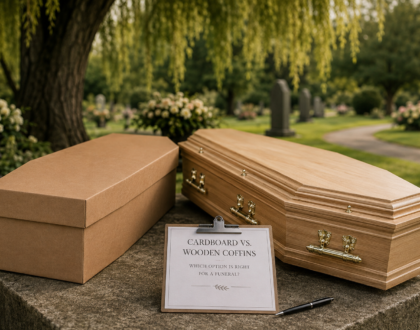
- Wooden coffins
- Cardboard coffins
- Wicker coffins
- Bamboo coffins
- Traditional coffins
- Caskets
Wooden coffins and caskets may offer a wide range of sizing options and finishes. Cardboard coffins are often lightweight and simple, but still need to meet suitability requirements. Wicker and bamboo coffins may have slightly different shapes and dimensions because of the natural materials used.
The material does not change the need for accurate sizing, but it can influence the design, weight, appearance and available options.
Are Coffins Made to Measure?
Many coffins are available in standard sizes, but made-to-measure or larger options may be available where needed.
If a standard coffin is not suitable, the funeral director or supplier can usually advise on alternative sizing.
This is especially important where extra length, width or depth is required. It is always better to confirm measurements properly rather than assume a standard size will be suitable.
What Should You Check Before Choosing a Coffin?
Before choosing a coffin, it can help to check:
- The required internal dimensions
- The external dimensions
- The coffin material
- The coffin shape
- Whether it is suitable for burial or cremation
- Whether the chosen funeral provider accepts that coffin type
- Delivery or timing requirements
- Any weight or handling considerations
- Whether personalisation is available
- The total cost
This helps avoid issues later and ensures the coffin is suitable for the planned funeral arrangements.
Coffin Sizes for Cremation
Coffins used for cremation must meet the requirements of the crematorium.
This can include size, material and construction requirements. Some materials, finishes or fittings may not be suitable for cremation, depending on local rules.
Before choosing a coffin for cremation, always confirm that it is accepted by the crematorium or funeral director.
Coffin Sizes for Burial
For burial, coffin size may need to be considered alongside the grave space or burial plot.
Most standard burial plots can accommodate typical adult coffins, but larger or unusually shaped coffins may need to be checked in advance.
If a family grave, natural burial ground or specific cemetery is being used, it is worth confirming any size or material requirements before finalising the coffin.
How Compare the Coffin Can Help
Compare the Coffin helps people review different coffin options in one place, making it easier to compare materials, styles and prices.
Whether you are looking at a traditional coffin, cardboard coffin, wicker coffin, wooden coffin or a more simple option, understanding size and dimensions can help you make a more informed choice.
Choosing a coffin is a personal decision, and the practical details matter. Taking time to understand the measurements can make the process clearer during a difficult time.
Final Thoughts
Coffin sizes and dimensions can feel confusing at first, but the basics are straightforward.
Most coffins are measured by length, width and depth. The required size depends on the individual, the coffin shape, the material and the funeral arrangements. Traditional coffins and caskets may also be measured differently because of their different shapes.
If you are unsure, always check with the funeral director, supplier or crematorium before making a final decision.
A suitable coffin should be respectful, practical and appropriate for the funeral being arranged.
FAQs
What are the dimensions of a standard coffin?
A standard adult coffin is often around 6 feet 6 inches long, 22 to 24 inches wide at the shoulder and 12 to 14 inches deep. However, exact dimensions vary depending on the coffin type, shape and supplier.
What are the dimensions of a coffin?
Coffin dimensions usually include length, width and depth. Internal dimensions measure the usable space inside the coffin, while external dimensions measure the full outside size.
Are coffins all the same size?
No, coffins are not all the same size. They can vary by length, width, depth, shape, material and design. Larger or made-to-measure options may be available where required.
What is the difference between coffin dimensions and casket dimensions?
A coffin is usually tapered and wider at the shoulders, while a casket is usually rectangular. This means casket dimensions are often more uniform, while coffin measurements may vary across the shape.
Do coffin sizes matter for cremation?
Yes, coffins used for cremation must meet crematorium requirements. Size, material and fittings may all need to be checked before the coffin is accepted.
Do coffin sizes matter for burial?
Yes, coffin size can matter for burial, especially if the plot, cemetery or natural burial ground has specific requirements. Larger coffins may need to be confirmed in advance.
Can coffins be made to measure?
Yes, many suppliers can provide larger, smaller or made-to-measure coffins where standard dimensions are not suitable.
Recommended Posts

What Is a Basket Casket and Is It the Same as a Wicker Coffin?
September 11, 2026